Est. Reading Time: 7 Mins
Gone are the days when living room furniture had to match perfectly from one piece to the next. Today’s interior design trends embrace contrast, texture, and layering, allowing homeowners to create spaces that feel personal and visually engaging. Mixing wood tones is one of the most effective ways to achieve this layered look when done intentionally.
Many homeowners in Ottawa, Gatineau, and Kingston hesitate to mix wood tones because they worry the room will feel mismatched or unfinished. According to Magaly del Castillo, Interior Designer at La-Z-Boy Cyrville, blending wood tones is not only acceptable but often recommended when guided by a few foundational design principles.
The steps below will help you confidently mix wood tones and create a living room that feels cohesive, warm, and thoughtfully designed.
Key Takeaways:
- Mixing wood tones adds depth and prevents a flat, overly matched look.
- Start with a dominant wood tone to anchor the space.
- Matching undertones matters more than matching colours.
- A mix of light, medium, and dark woods creates balance.
- Repeating wood tones helps the design feel intentional and cohesive.
In This Article...
- Can You Mix Wood Furniture in a Living Room?
- Why Mixing Wood Furniture Makes a Room Look Better
- What Wood Tones Go Well Together?
- How Many Wood Tones Should You Use in a Room?
- Mix Wood Furniture Step by Step in Your Living Room
- Common Mistakes When Mixing Wood Furniture
- FAQs
Can You Mix Wood Furniture in a Living Room?
Yes, you can absolutely mix wood furniture in a living room. In fact, most designers recommend it.
Using a single wood tone throughout a space can make it feel flat or overly coordinated. Mixing different finishes introduces contrast and helps the room feel more natural and visually interesting.
“Spaces that feel the most comfortable are rarely perfectly matched,” says Magaly. “Mixing wood tones helps create a room that feels more lived-in and intentional.”
Rather than focusing on matching every piece, the goal is to create a space where different elements work together without competing.
Why Mixing Wood Furniture Makes a Room Look Better
One of the main reasons designers mix wood furniture is to create a more dynamic and layered look.
When everything in a room is the same tone, the space can feel one-dimensional. By introducing contrast between light, medium, and dark woods, you create visual depth that helps each piece stand out.
Mixing wood tones also makes a room feel:
- more natural and less staged
- more reflective of real-life design choices
- easier to evolve over time as new pieces are added
This approach allows your space to feel curated rather than overly coordinated.
What Wood Tones Go Well Together?
Wood tones don’t need to match exactly, but they should feel connected.
The most important factor is undertone, which determines whether a wood finish feels warm, cool, or neutral.
- Warm tones include woods with red, orange, or yellow hues
- Cool tones lean toward gray or ash finishes
- Neutral tones sit somewhere in between and are easier to mix
Combining wood tones with similar undertones helps create a cohesive look, even when the colours themselves are different.
According to Magaly, a common approach is to mix:
- one light tone
- one medium tone
- one dark tone
"This creates contrast while still maintaining balance across the room," she says.
How Many Wood Tones Should You Use in a Room?
Most designers recommend using two to three wood tones in a single space.
This provides enough variation to add interest without making the room feel disjointed. Limiting the number of tones helps maintain a sense of structure while still allowing for contrast.
Using too many different finishes can make a room feel visually busy, while sticking to just one tone can make it feel flat.
“The goal is balance,” Magaly explains. “You want enough variation to create interest, but not so much that the room feels disconnected.”
How to Mix Furniture Step by Step in Your Living Room
Now that you understand how wood tones work together, the next step is applying these principles to your space. The following steps will help you mix wood furniture in a way that feels balanced and intentional.
Step 1: Decide Between Casual or Classy Wood Styles
Before mixing wood tones, it is essential to determine the overall mood of your living room. According to Magaly, this first decision makes every other choice easier.
“Each wood type carries a personality,” Magaly explains. “Once you decide whether your space feels more relaxed or more refined, your wood selections naturally fall into place.”
Casual woods such as birch, pine, oak, and reclaimed wood create a light, relaxed atmosphere. These woods work well in farmhouse, coastal, and contemporary spaces where comfort and approachability are key.
Classy woods like walnut, cherry, and mahogany bring richness and elegance. These darker tones suit traditional or upscale interiors and add visual weight to a room.
Mixing casual and classy woods can work, but one should clearly lead while the other supports as an accent.
Step 2: Choose a Dominant Wood Tone
A dominant wood tone acts as the anchor for your living room. This is the wood tone that appears most prominently, setting the visual direction for the space.
Magaly often recommends choosing a dominant tone from an existing element, such as hardwood flooring, a large entertainment unit, or a statement coffee table.
“Think of your dominant wood tone as the backbone of the room,” she says. “Everything else should relate back to it, either by complementing it or softly contrasting it.”
Once established, secondary wood tones should enhance the dominant tone rather than compete with it.
Step 3: Match Wood Undertones for Balance
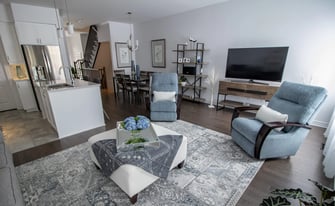
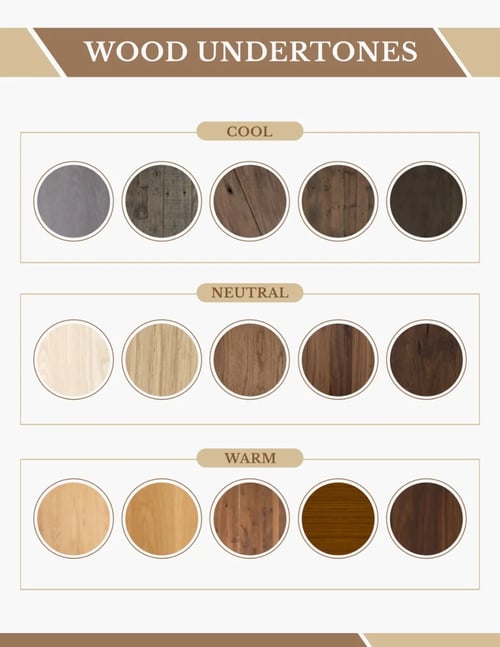
Undertones play a major role in whether mixed wood furniture feels cohesive or disconnected. Woods generally fall into warm, cool, or neutral undertone categories.
- Warm undertones include golden, red, or orange hues found in woods like cherry and oak
- Cool undertones show grey or bluish hints, often seen in ash or grey-stained woods
- Neutral undertones work well with both warm and cool woods and offer flexibility
“If the undertones fight each other, the room never quite settles,” Magaly notes. “Matching undertones helps even high-contrast spaces feel intentional.”
Pro tip: Each wood tone should appear at least twice in the room to reinforce balance.
Step 4: Keep Wood Finishes Consistent
Finish consistency is often overlooked, yet it has a major impact on the final look of a space. Mixing too many finishes can make a room feel visually noisy.
Glossy finishes tend to feel modern and polished, while matte or distressed finishes feel softer and more organic. Choosing one general finish style helps unify different wood tones.
“A room can handle multiple wood colours much better when the finishes feel related,” Magaly explains. “That consistency keeps the design grounded.”
Step 5: Use Area Rugs to Break Up Wood Tones
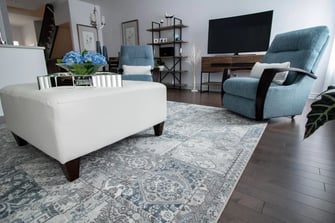
Area rugs are one of the easiest tools for balancing mixed wood tones. A rug creates a visual pause between different wood surfaces, especially in rooms with hardwood flooring and wood furniture.
Patterned or textured rugs help soften contrast and introduce colours that bridge multiple wood tones. Rugs also add warmth and comfort, making the living room feel inviting rather than overly structured.
This step is especially important in open-concept homes where several wood tones are visible at once.
La-Z-Boy has many Area Rug Selections for home decor, which you can learn more about with this article.
Step 6: Tie Wood Pieces Together With Accent Colours
Accent colours help guide the eye and connect different wood tones throughout the room. These colours can appear in throw pillows, artwork, lamps, or decorative accessories.
Warm woods pair well with earthy colours like rust, terracotta, and soft reds. Cool woods look striking with blues, greens, and charcoal tones. Neutral woods allow for the most flexibility.
“Accent colours act like a thread that pulls everything together,” Magaly says. “They help the room flow naturally from one area to the next.”
If you’re looking to find an up-to-date and trendy colour palette, take a look at our article on Colour Trends.
Step 7: Repeat Wood Tones Throughout the Room
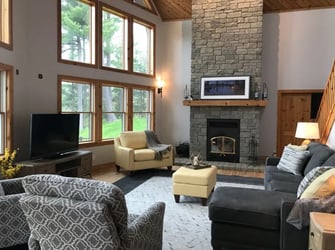
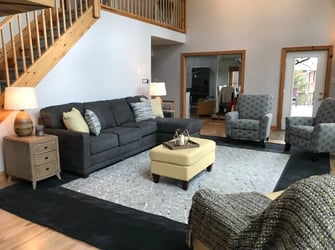
Repetition is one of the most important principles when mixing wood tones. Limiting your design to three or four wood tones prevents the space from feeling cluttered.
Each tone should appear at least twice. For example, if walnut is used on a coffee table, repeating it in shelving, frames, or side tables creates rhythm and consistency.
“Repetition tells the eye that the mix was planned,” Magaly explains. “That is what makes a room feel finished.”
Common Mistakes When Mixing Wood Furniture
Mixing wood tones can elevate your space, but a few common mistakes can make the room feel unbalanced.
- Mixing too many wood tones
Introducing too many finishes can make the space feel cluttered and unstructured. Keeping your palette limited helps maintain cohesion. - Ignoring undertones
Even if two woods look similar at first glance, clashing undertones can create visual tension that feels off. - Not choosing a dominant tone
Without a primary wood tone to anchor the space, the room can feel scattered rather than intentional. - Clustering similar tones in one area
Distributing wood tones evenly throughout the room helps create a more balanced and cohesive look. - Trying to match everything perfectly
Overmatching can make a room feel flat. A bit of variation is what gives the space personality.
Avoiding these mistakes will help your living room feel more cohesive, natural, and thoughtfully designed. To see more Problems with Wood Furniture, take a look at this article.
FAQs
What’s Next?
With these tips, you’re ready to confidently mix and match wood tones in your home. At La-Z-Boy, we offer a variety of case goods, from American Drew and Hammary to Kincaid and Canadel, each bringing a range of wood furniture options perfect for achieving this layered look.
Explore our Ottawa, Gatineau or Kingston showrooms, or schedule a virtual design appointment to start creating a beautifully balanced space with wood tones. Our talented interior designers are ready to help you pick the ideal pieces to complement your style and ensure a seamless look throughout your home.
To learn more about our home decor from La-Z-Boy, take a look at our Comprehensive Home Decor Buyer’s Guide.
Related Links:
4 Designer Tips: How to Mix & Match Furniture
Interior Design Trends of 2026
Review of Canadel Custom Dining