Est. Reading Time: 5 Mins
An area rug can completely transform the look and feel of your living room, but choosing the right one can feel overwhelming. From size and shape to placement and materials, there are many decisions to make before committing.
Area rugs add warmth, help define seating areas in open-concept homes, protect flooring, and bring personality to a space. When chosen correctly, they anchor the room and tie all design elements together.
Zeina Badawi, interior designer at La-Z-Boy Kanata, helps homeowners across Ottawa, Gatineau, and Kingston select rugs that balance style, comfort, and function. Her expert guidance below will help you confidently choose the right area rug for your living room.
Key Takeaways
- Starting with the area rug helps anchor your overall room design
- The 60-30-10 colour rule creates visual balance and cohesion
- Choosing the correct rug size and furniture placement is critical
- Material and texture affect durability, comfort, and maintenance
- Round rugs and layering offer flexible design solutions
- A rug underpad improves safety, comfort, and longevity
In This Article...
- What Does an Area Rug Do in a Living Room?
- How Do You Choose the Right Area Rug for Your Living Room?
- What Size Area Rug Should You Choose?
- How Much Space Should Be Between Furniture and an Area Rug?
- What Is the Best Material for Area Rugs in Living Rooms?
- Are Round Rugs a Good Idea for Living Rooms?
- How Does Layering Area Rugs Work?
- Why You Should Always Use a Rug Underpad
- FAQs About Area Rugs
What Does an Area Rug Do in a Living Room?
An area rug acts as the foundation of your living room. It visually connects furniture pieces, defines where seating areas begin and end, and adds warmth underfoot. Without a rug, furniture can feel like it is floating rather than working together as a cohesive arrangement.
Zeina explains that rugs help guide the rest of the design process. Patterns, colours, and textures within the rug often influence fabric choices, accent pieces, and even wall colours. Because rugs are harder to change than paint, starting with the rug imposes fewer design limitations later.
In open concept homes, rugs are especially important. They help separate spaces without using walls, making living rooms feel intentional rather than undefined.

How Do You Choose the Right Area Rug for Your Living Room?
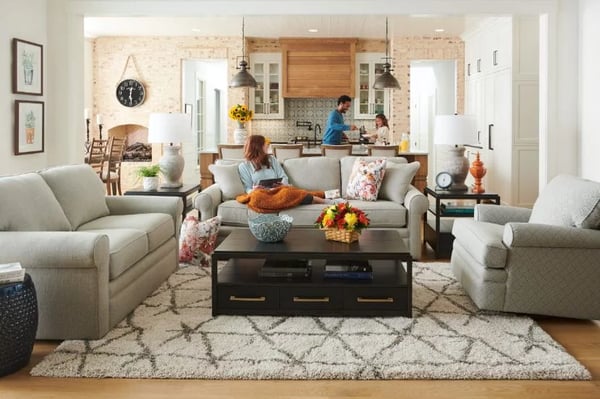
Choosing the right area rug begins with understanding how it fits into your overall design plan. Rather than treating the rug as an afterthought, Zeina recommends making it one of the first purchases.
Using the 60-30-10 Colour Rule
The 60-30-10 design rule is a common tool designers use to maintain balance:
- 60 percent is the dominant colour, often found in the rug, sofa, or walls
- 30 percent is the secondary colour, seen in accent chairs or drapery
- 10 percent is the accent colour, added through pillows, artwork, or décor
This formula prevents rooms from feeling flat or overly matched. When your rug includes multiple tones, it becomes easier to layer furniture and accessories without overwhelming the space.
What Size Area Rug Should You Choose?
Rug size plays a major role in how polished your living room feels. A rug that is too small can make furniture feel disconnected, while an oversized rug can overpower the room.
Zeina recommends matching the rug shape to the room layout. Rectangular rooms typically look best with rectangular rugs aligned with the longest wall. In smaller spaces, a slightly undersized rug can make the room feel more open, while in larger rooms, rugs fully anchor the seating area.
Common Furniture Placement Options
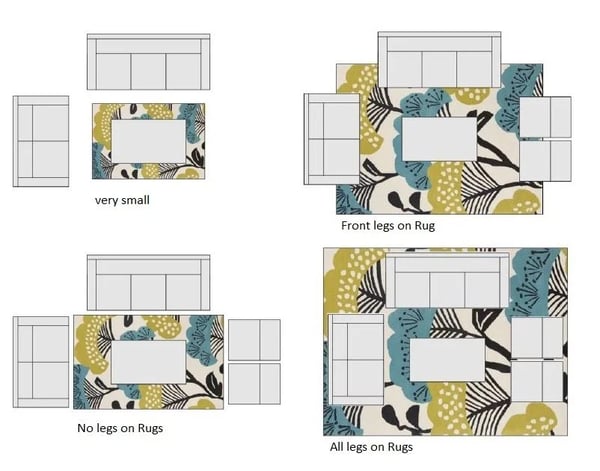
There are three main ways to position furniture on a rug:
- No furniture legs on the rug, best for small accent rugs
- Front legs on the rug is the most common and versatile option
- All furniture legs on the rug, ideal for large or open concept spaces
Placing the front legs of sofas and chairs on the rug is Zeina’s go-to recommendation. It creates structure without making the room feel heavy or crowded.
How Much Space Should Be Between Furniture and an Area Rug?
The spacing around your rug is just as important as its size. Proper spacing keeps the room functional and visually balanced.
Ideally, you should leave 12 to 18 inches of exposed flooring between the rug edge and the walls when possible. This helps frame the room and prevents the rug from feeling wall-to-wall.
Between the furniture and the edge of the rug, ensure there is enough clearance to move comfortably. In tight spaces, rugs should still allow walkways to remain clear and uncluttered. In open-concept layouts, the rug should define the seating area without disrupting traffic flow.
What Is the Best Material for Area Rugs in Living Rooms?
Material choice determines how your rug performs day to day. Lifestyle, foot traffic, and maintenance expectations all matter.
Best Materials for High-traffic Living Rooms
- Wool rugs are durable, soft, and naturally stain-resistant
- Synthetic rugs, such as polypropylene, are easy to clean and budget-friendly
- Cotton rugs are lightweight and casual, but better suited for low-traffic areas
Zeina advises avoiding silk or viscose in busy living rooms. These materials stain easily and do not handle moisture well.
Dining Room Rug Considerations
Dining room rugs should be low-pile and easy to clean. The rug should extend at least two feet beyond the table so chairs remain on the rug when pulled out, maintaining comfort and balance.
To learn more about If Area Rugs Should be in a Dining Room, take a look at this article.
Are Round Rugs a Good Idea for Living Rooms?
Round rugs work especially well in spaces where you want to soften straight lines or draw attention to a unique layout. They are ideal for entryways, bay windows, reading nooks, and seating areas where sharp corners might feel too rigid or visually heavy.
Zeina notes that round rugs pair beautifully with round dining tables or curved furniture. The matching shapes create visual harmony and balance that rectangular rugs cannot always achieve, especially in open-concept spaces where flow matters.
Round rugs are also a smart choice for smaller or awkwardly shaped rooms. In spaces where a rectangular rug feels forced or cuts off walkways, a round rug can help the room feel more intentional, open, and thoughtfully designed rather than cramped.

How Does Layering Area Rugs Work?
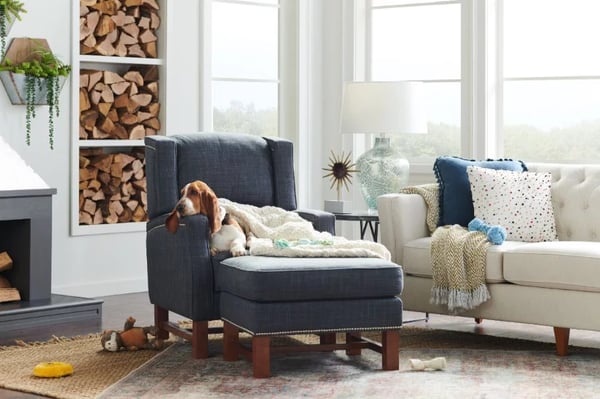
Layering rugs allows you to use a smaller statement rug while still covering enough floor space for proper furniture placement. This technique works especially well in larger rooms or when incorporating sentimental, vintage, or one-of-a-kind rugs that may not meet standard size guidelines.
A common and designer-approved approach is placing a patterned or textured rug over a neutral base, such as jute, sisal, or a flat-woven wool rug. This creates depth, adds contrast, and helps anchor the top rug, so it feels intentional rather than undersized.
Layering also adds flexibility to your design. You can refresh your space seasonally by swapping out the top rug while keeping the base rug in place, making it a cost-effective way to update your living room without starting from scratch.
Area rugs are also great for Layering a Living Room, which you can learn more about with this article.
Why You Should Always Use a Rug Underpad
A rug underpad is essential for both safety and longevity, even though it is often overlooked. It prevents slipping, protects your flooring, and adds extra cushioning, making any rug feel more comfortable underfoot.
Underpads also help rugs wear more evenly by reducing friction between the rug and the floor. Zeina points out that they help trap dirt and dust before it gets ground into rug fibres, and that they prevent scratches on hardwood and tile surfaces over time.
In addition, a quality underpad helps prevent curled edges and corners, which can become tripping hazards and detract from the room's overall look. Investing in the right underpad not only improves day-to-day comfort but also significantly extends the life of your area rug.
FAQs About Area Rugs
What’s Next?
With Zeina’s expert advice, selecting the perfect area rug no longer feels overwhelming. Whether you’re looking for something plush and cozy or sleek and modern, the right rug can tie your space together and reflect your style.
At La-Z-Boy, we offer a wide range of area rugs, including high-quality options from Surya. Our expert designers can help you choose the perfect rug to complement your living room, dining space, or open-concept layout.
Visit one of our Ottawa, Gatineau or Kingston showrooms or schedule an appointment online for a personalized consultation. Plus, take advantage of our complimentary interior design services to bring your vision to life. To learn more about La-Z-Boy’s home decor, take a look at our complete Home Decor Buyer’s Guide.
Related Articles:
- Cost of an Area Rug: When to Spend and When to Save
- Furniture Care Tips: Leather, Fabric, Wood & Area Rugs
- How Are Area Rugs Made? From Materials to Methods & Styles
(1).jpg?width=150&height=150&name=9C8A3062-Enhanced-NR%20(1)(1).jpg)