
Est. Reading Time: 6 Mins
With climate change and sustainability top of mind, more homeowners are asking an important question: What is the most eco-friendly upholstery fabric for furniture? Today’s furniture buyers want comfort and style, but they also want materials that align with their environmental values.
According to Leah Valiquette, a sales consultant at La-Z-Boy Kingston, sustainability has become a deciding factor for many customers. “People want to know where their furniture comes from and what impact it has,” she explains. “They are looking for fabrics that last and reduce waste without sacrificing comfort.”
That is where La-Z-Boy’s Conserve™ Sustainable Fabric comes in. Made from recycled plastic water bottles, Conserve™ offers a practical, long-lasting upholstery option that supports eco-conscious living without feeling overly “eco.”
This guide explains what makes upholstery fabric sustainable, explores the most environmentally friendly fabric options, and takes a closer look at Conserve™ Fabric, including cost, durability, and who it is best suited for.
Key Takeaways
- Sustainable upholstery fabrics are defined by material sourcing, durability, and environmental impact. These factors determine how responsibly a fabric is produced and how long it will last in your home.
- The most eco-friendly fabrics include organic cotton, TENCEL™, hemp, and recycled polyester. Each offers different sustainability advantages depending on water use, renewability, and production methods.
- Conserve™ Fabric by La-Z-Boy is made from recycled plastic bottles, reducing landfill waste. It transforms post-consumer plastic into high-performance upholstery.
- Eco-friendly furniture can lower environmental impact while still offering comfort and style. Sustainability no longer means sacrificing softness, colour selection, or durability.
- Conserve™ Fabric is available at La-Z-Boy Ottawa, Gatineau, and Kingston locations. Customers can explore fabric swatches and speak with consultants in person about sustainable options.
In This Article…
What Makes an Upholstery Fabric Sustainable?
An upholstery fabric is considered sustainable when it reduces environmental impact across its entire lifecycle, from raw materials to long-term use in the home.
The most important sustainability factors include:
- Material source
Natural fibres such as organic cotton and hemp reduce chemical use, while recycled fibres help divert waste from landfills. - Manufacturing process
Lower water usage, reduced energy consumption, and fewer harsh chemicals all improve a fabric’s eco footprint. - Durability and longevity
Long-lasting fabrics reduce the need for frequent replacement, thereby reducing waste and resource use over time. - End-of-life impact
Biodegradable or recyclable fabrics help minimize landfill waste once furniture reaches the end of its lifespan.
When customers ask, “Is sustainable furniture worth the cost?”, the answer often comes down to durability. A fabric that lasts longer and requires fewer replacements is both environmentally and financially responsible.
Top Environmentally Friendly Upholstery Fabrics
If you are comparing what furniture fabrics are best for the environment, these materials consistently rank at the top due to sourcing practices and reduced ecological impact.
Organic Cotton
Organic cotton is grown without synthetic pesticides or fertilizers, making it safer for soil and surrounding ecosystems.
While it feels soft and breathable, its environmental value lies in its support for cleaner farming methods that promote long-term soil health.
- Pros: Chemical-free, breathable, biodegradable
- Cons: Requires significant water during cultivation
TENCEL™ (Lyocell and Modal)
TENCEL™ is derived from sustainably harvested wood pulp and produced using closed-loop systems that recycle water and solvents.
Its smooth texture and moisture-wicking properties make it both comfortable and practical for upholstered furniture.
- Pros: Soft, moisture-wicking, durable, biodegradable
- Cons: More expensive than conventional fabrics
Hemp
Hemp is one of the fastest-growing natural fibres and requires far less water than cotton.
It is known for exceptional strength, meaning it holds up well in high-traffic areas over time.
- Pros: Extremely durable, naturally resistant to bacteria and UV
- Cons: Can feel stiff initially before softening with use
Recycled Polyester (rPET)
Recycled polyester is made from post-consumer plastics, such as water bottles, and is widely used in performance upholstery.
It offers the durability of synthetic fibres while significantly reducing plastic waste entering landfills and oceans.
- Pros: Diverts plastic waste, stain-resistant, durable
- Cons: Not biodegradable, though recyclable
This category is where Conserve™ Fabric fits best, combining measurable sustainability with real-life durability.

Conserve™ Fabric by La-Z-Boy
Conserve™ Fabric is a recycled polyester upholstery fabric made from plastic water bottles, designed for long-term durability and everyday comfort.
It allows environmentally conscious homeowners to reduce plastic waste without sacrificing performance or design flexibility. Instead of producing new polyester from fossil fuels, Conserve™ repurposes existing materials.
When customers ask, “Is Conserve fabric actually sustainable?”, the answer is yes, because it directly reduces plastic waste while meeting the performance standards expected of high-quality furniture.
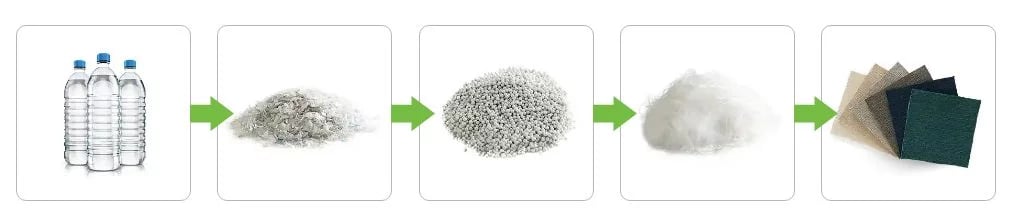
“The bottles are chipped, melted, and spun into fibres,” Leah explains. “It closes the loop by giving plastic a second life as durable upholstery.”
How Conserve™ Fabric Is Made
- Plastic bottles are collected and sorted at recycling facilities
- Bottles are cleaned and shredded into flakes
- Flakes are melted into pellets and spun into fibres
- Fibres are woven into soft, durable upholstery fabric
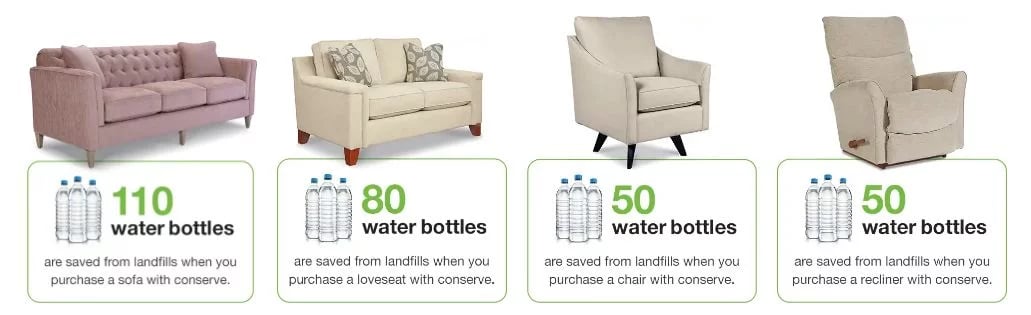
Each sofa upholstered in Conserve™ Fabric can divert up to 110 plastic bottles from landfills. This makes the environmental impact tangible and easy for customers to understand when making purchasing decisions.
Cost of Sustainable Upholstery Fabrics
Eco-friendly upholstery pricing varies based on materials, sourcing methods, and production technology.
While some sustainable fabrics carry a slightly higher upfront cost, many offer extended lifespan and durability, which improves long-term value.
|
Fabric Type |
Average Cost (Per Yard) |
|
Organic Cotton |
$30 to $50 |
|
TENCEL™ |
$40 to $60 |
|
Hemp |
$25 to $45 |
|
Recycled Polyester |
$35 to $55 |
|
Conserve™ Fabric (La-Z-Boy) |
Competitive pricing by product |
Leah notes that sustainable fabrics often last 20 years or more, making them a smart investment for homeowners focused on long-term durability rather than short-term savings.
*Please note that La-Z-Boy prices listed in this article are subject to change without notice. Information is current as of February 11th, 2026. Contact your local La-Z-Boy Ottawa, Gatineau and Kingston store by phone or in person for up-to-date pricing.
Why Choose Conserve™ Fabric?
Sustainability Without Compromise
Conserve™ Fabric reduces reliance on virgin polyester and lowers overall environmental impact by repurposing plastic waste into long-lasting upholstery. This makes it an accessible entry point into sustainable furniture choices.
“This is a strong option for customers who care about sustainability but still want something practical,” Leah says.
Comfortable and Stylish
One common concern is whether recycled fabric feels synthetic or rough. Conserve™ is engineered to feel soft and comfortable while maintaining visual appeal across a range of décor styles.
Its colour and texture selection allows homeowners to align sustainability with modern, transitional, or traditional interiors.
Built for Real Life
Conserve™ Fabric is designed for everyday use, making it ideal for families, pet owners, and high-traffic living spaces. It resists wear, cleans easily with mild soap and water, and holds colour over time.
For many buyers, this answers the question “Are recycled fabric sofas durable?” with a confident yes. Sustainability and practicality can exist in the same piece of furniture.

What’s Next?
With all of these environmentally friendly options available, your mind and conscience can now be at ease. You can be confident that your next furniture purchase will not harm the planet.
That said, why not start shopping today?
Visit us at a local Ottawa, Gatineau or Kingston La-Z-Boy location to start browsing our wide range of furniture today. If you’d prefer to plan ahead, schedule your visit online.
We look forward to helping you find the perfect furniture and, even better, helping you select stylish upholstery from our conserve fabric options. To learn more about La-Z-Boy fabrics, take a look at our Upholstery Fabrics Guide.